
River Sand
River sand is a naturally occurring fine aggregate made from weathered rock and mineral particles, most commonly collected from riverbeds and riverbanks. It plays a critical role in construction because it gives concrete and plaster their structure, workability, and final finish—so the quality of sand often decides whether a project performs well over time.
What makes good plaster sand
Clean and low in silt, clay, and organic impurities to avoid weak, dusty plaster.
Sharp to mildly rounded grains with a well‑graded range of particle sizes for good packing, strength, and smooth trowel finish.
Consistent colour and texture so that concrete and plaster mixes behave predictably on site.
Types of river sand
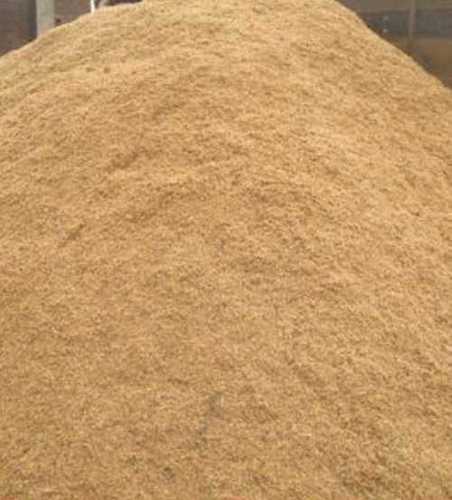
Brown sand: Typically light brown to golden, used widely for masonry, concrete, and general construction work.
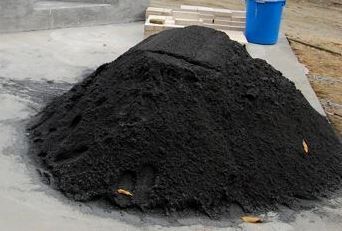
Black sand: Darker sand found in some river stretches, sometimes richer in certain minerals; suitability depends on its grading and impurity content.
Both variants are sourced from river bottoms and banks and, when properly washed and graded, are suitable for concrete, mortar, and plastering applications.
The specification for sand used in plaster must comply with IS 1542:1992, which defines both quality requirements and limits for harmful impurities.
Quality of sand
Sand may be natural sand, crushed stone sand, crushed gravel sand, or a combination of these.
It must be hard, durable, clean, and free from adherent coatings and organic matter.
Clay, silt, and dust content must not exceed the limits prescribed in the standard; otherwise workability, strength, and finish of the plaster are adversely affected.
Deleterious materials
Sand must not contain harmful impurities in quantities that affect hardening, strength, durability, appearance, or cause corrosion of metal in contact with plaster. These include:
Iron pyrites, alkalis, salts
Coal, mica, shale, and other soft or laminated fragments
Sea shells and organic impurities
If such materials are suspected, additional testing or performance proof is required before the sand is accepted.
Limits for deleterious materials
Unless proven satisfactory by further tests, IS 1542:1992 restricts the maximum quantities of:
Clay, fine silt, and fine dust (measured as material passing the 75 or 150 micron sieve, depending on sand type)
Organic impurities (tested as per IS 2386 Part 2)
In general, the total of clay, silt, dust, and organic matter should not exceed about 5% by mass, with a slightly higher allowance on very fine particles for crushed stone and crushed gravel sands. Sand must also meet prescribed grading limits and minimum fineness modulus (≥1.4 for crushed sands and ≥1.5 for natural sands) to ensure suitable particle size distribution for plaster work.
a) Clay, slit and dust [ determined in percent by weight accordance with IS 2386 ( Part 2 ): 1963] | Not more than 5 percent by weight |
b) Organic impurities [ determined in accordance with IS 2386 ( Part 2 ) : 1963] | Color of liquid below that indicated by comparison with the standard solution specified in 6.2.2 of IS 2336 ( Part 2 ): 1963 |
For sand used in plaster, IS 1542:1992 links sand quality directly to the strength and workability of a standard 1:6 cement–sand mortar. The standard also ties together how much water is used for gauging and how the sand must be graded across different sieve sizes.
Compressive strength requirement
When a 1:6 cement:sand mortar is prepared using sand that meets the grading of Table 1 (IS 1542), the average compressive strength of mortar cubes at 28 days must not be less than 3 N/mm².
This strength is determined using the test procedure given in Appendix A of IS 2250:1981, which defines cube preparation, curing, and testing.
Water for gauging (workability)
As per IS 1727:1967, the water content for gauging in these tests is the quantity required to obtain a flow of 110–115% with 25 drops in 15 seconds on a flow table.
Using this standardized flow ensures that differences in strength are due to sand properties and not inconsistent workability.
Grading of sand for plaster
Particle size distribution must follow Table 1 of IS 1542:1992, determined using the sieve analysis procedure in IS 2386 (Part 1):1973.
For internal and external wall and ceiling plaster, sand is considered within grading limits if its actual grading deviates from the specified zone on sieves (other than 150, 300, and 600 micron) by a combined total not exceeding 5%.
For crushed stone and crushed gravel sands, IS 1542 allows higher fines on the 150‑micron sieve (up to 20%), but the 5% overall deviation allowance still applies.
These linked requirements—minimum compressive strength, controlled water for gauging, and strict grading limits—ensure that plaster sand consistently produces mortars with adequate strength, cohesion, and finish on site.
Table 1-Grading of Sand for Internal Wall or External Wall or Ceiling Plaster (As per IS 1542: 1992)
|
IS Sieve Designation ( See IS 460 : 1985 )
|
Percentage Passing
|
|
10 mm
|
100
|
|
4.75 mm
|
95-100
|
|
2.36 mm
|
95-100
|
|
1.18 mm
|
90-100
|
|
600 micron
|
80-100
|
|
300 micron
|
20-65
|
|
150 micron
|
0-15
|
For sand used in plaster, IS 1542:1992 allows slightly more very fine particles for crushed sands while still controlling overall fines and grading so the mortar performs reliably.
Additional IS 1542 limits
For crushed stone sand and crushed gravel sand, material passing the 150‑micron sieve may be up to 20%, but the overall deviation from the specified grading on all other sieves together must still not exceed 5%.
Minimum fineness modulus (FM) must be ≥ 1.4 for crushed stone/crushed gravel sands and ≥ 1.5 for natural sands, ensuring sand is not excessively fine.
Particles of different sizes must be uniformly distributed throughout the sand mass; incorrect gradings can often be corrected by screening and/or blending two sands that are individually off‑grade.
Sampling and testing
Sampling must follow IS 2430:1986, and quantities for each test must match the relevant clauses of IS 2386 and IS 1542 quality requirements.
Every test requested by the purchaser or their representative must be carried out according to the specified methods, with duplicate (double) tests performed in each case unless otherwise agreed, and both results recorded.
Simple on‑site checks for sand quality
Excessive clay/silt: Good plaster sand should contain very little clay, because clay makes the mix overly cohesive and weakens the plaster.
Jar test: Put sand in a glass of clean water, shake thoroughly, and allow it to settle. A distinct, thick clay layer on top of the sand indicates high fines; clay content should generally be less than about 8% of the dry weight.
Hand test: Take a handful of dry sand, squeeze and then open your palm; if the sand sticks to your hand, it suggests significant clay presence and the sand should be rejected or washed.
These field checks, combined with lab‑based grading and deleterious‑material tests, help ensure that sand used for plaster meets IS 1542 requirements and produces strong, durable, and good‑looking finishes.